Speakers 2025
Keynote Speaker Ⅰ
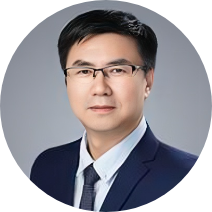
Prof. Xu Xu
Beihang University, China
Biography: Xu Xu, born in 1969, Professor and Doctoral Supervisor at the School of Astronautics, Beihang University. Research has primarily focused on hypersonic ramjet technology, combined cycle engine technology, detonation engine technology, as well as methods and software for computational fluid dynamics. Over 150 academic papers have been published in domestic and international journals and more than 20 authorized patents are held. Research contributions have been recognized with two Second-Class and one Third-Class National Defense Science and Technology Awards. Academic positions are held including the Deputy Chief Research Engineer for the "Aerospace Combined Power Rocket-Ramjet Ejector Rocket System" in an enterprise and a member of the Academic Committee of the National Key Laboratory of Hypersonic Ramjet Technology.
Speech Title: Working Mechanism and Experimental Verification of Mg Powder Enhanced Scramjet
Abstract: To address the high-thrust demand of hypersonic vehicles operating under extreme conditions, this study proposes a scramjet engine concept employing secondary combustion of metal powders. Highly reactive metal powders (Mg, Al) can undergo exothermic reactions with H2O and CO2 in the combustion products of hydrocarbon fuel, enabling additional heat release after the available oxygen has been fully consumed in the primary combustion. This improves the overall utilization efficiency of oxygen in air and enhances engine thrust. A quasi-one-dimensional computational framework is utilized to evaluate the theoretical performance of a Mg secondary-combustion scramjet. Mg powders are injected into an afterburner downstream of the main combustion combustor, where they react with the combustion products of fully burned hydrocarbon fuel. The calculations indicate that, relative to a hydrocarbon-fueled scramjet operating at stoichiometric ratio, the secondary combustion of Mg powders can yield nearly a twofold increase in thrust. Guided by the theoretical analysis, ground direct-connect tests were conducted on a micron-scale Mg-powder secondary-combustion scramjet. Mg powders were injected using struts downstream of the hydrocarbon-fueled main combustor, which operates at stoichiometric ratio. The overall engine thrust was obtained by combining the thrust stand measurement with a matched simulated inlet and nozzle. The experimental results show the Mg secondary combustion significantly increase the pressure in the afterburner and downstream sections, leading to an overall engine thrust increase of approximately 60%.
Keynote Speaker Ⅱ
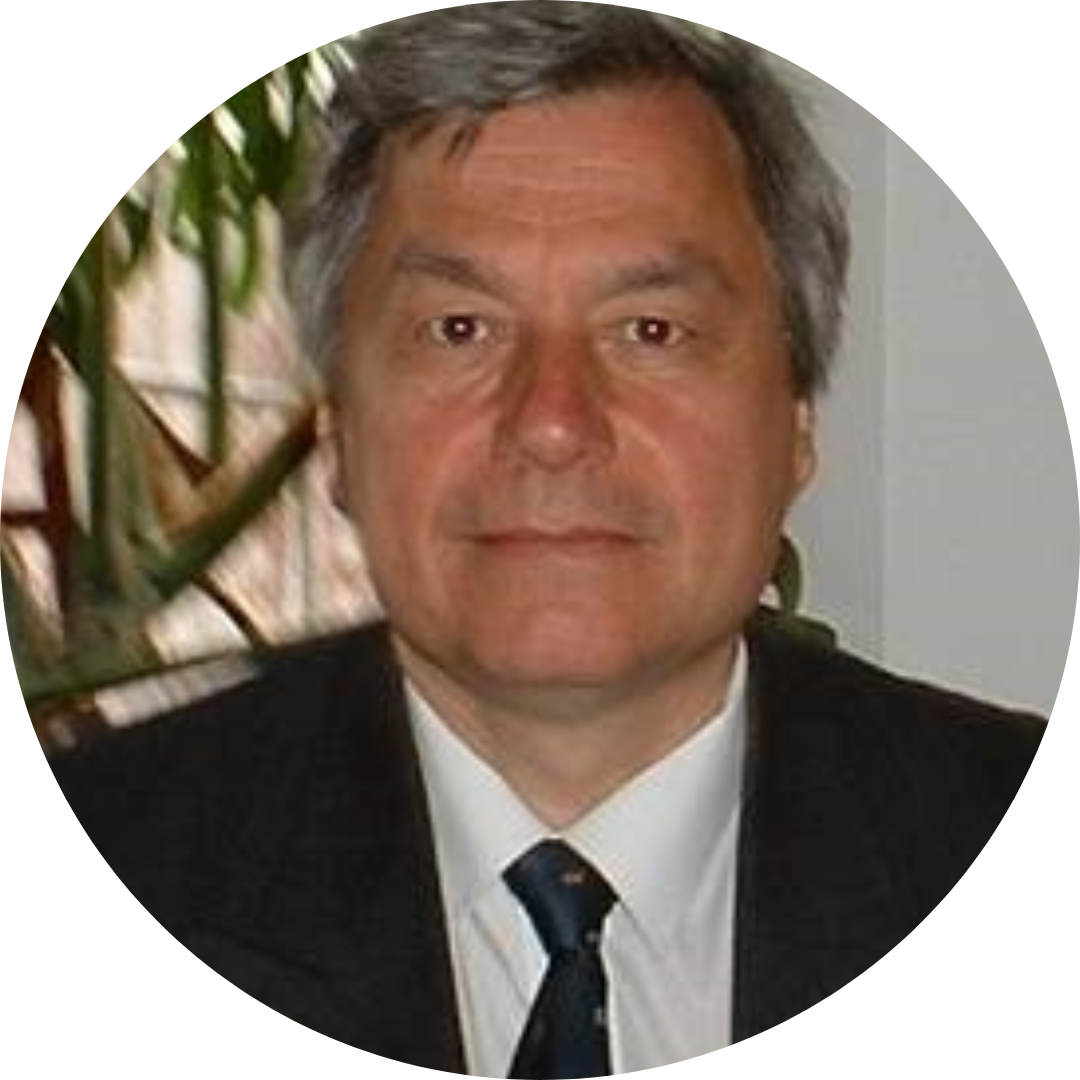
Prof. Adrian Olaru
University Association for Science and Technology of Romania, Romania
Biography: Adrian Olaru, Full Professor at the University Politehnica of Bucharest, Faculty of Machines and Manufacturing Systems, Romania. From 1974 until 1990 he worked as a designing engineer at the "Optica Romana" Enterprise, also being an associate assistant at the Faculty of Machine-Building Technology of the Polytechnic Institute of Bucharest. In 1990 he became an appointed lecturer at the Faculty of Technological Systems Engineering and Management, the Machine-Tools Department. Now, From 1998 he is a university full professor, and he teaches the following courses: Industrial Robots Dynamics, LabVIEW application in modeling and simulation of the dynamic behavior of robots, servosystems and components, Analyze and Syntese of Electrohydraulic Servosistems for Industrial Robots, Personal and social robots and Vibration of the virtual prototypes of industrial robots. He is a doctor from 1989. The past years he was been leading the following research projects: -Computer aided research and design for the hydraulic amplifiers of pneumohydraulic screwdrivers; -Computer aided research over the dynamic behavior of the forging manipulator orientation modulus; -Computer aided research over dynamic behavior of the charging manipulators tipping modulus; -Computer aided research over dynamic behavior of the charging manipulators translation modulus; -Experimental validation for mathematical models of hydraulic elements and servo system; -Methodological guide for dimensioning and optimizing electrohydraulic elements; design of the mobile robots; asisted research of the magnetorheological dampers; asisted research of the intelligent dampers; assisted research of the neural networks; optimising of the robots dynamic behavior by using the Fourier proper analyzer; optimizing the dynamic compliance and global transmisibility by using the assisted research and proper LabVIEW instrumentation; optimise the dynamic behavior and the space trajectory by using the proper neural network.
Speech Title: Dynamic modelling and simulation for control systems using the transfer multipol functions
Abstract: Modeling and simulation in the process of analysis and synthesis of elements and systems is the most important stage in the control of systems and their optimization from the point of view of dynamic behavior. The paper highlights, using the theory of transfer functions in the multipolar understanding, various elementary transfer functions, simulated with the help of own virtual tools made under the LabView kernel. The block diagrams of some electro-hydraulic servo actuators with servo valve with two stages of amplification and linear or rotary hydraulic motor are presented as an example. Block schemes in multipolar acceptance use the movement information transmission channel, separate from the effort information transmission channel, as well as the interdependence between them, with the aim of determining the additional correction components between the two virtual channels. As an application, the simulation model of the correction of a satellite was used by controlling the correction of the position, of the Euler angles, using the mechanical method with three wheels actuated by electric servomotors. The analysis highlights the constructive-functional parameters of the servo actuation, with major influence in the technique of spatial correction of the satellite position. The comparative analysis of the real and frequency characteristics, achieved by modifying some constructive-functional parameters of the servo actuation as well as the mechanical system with three flywheels, completes the research with the identification of the influences of the various constructive-functional parameters on the studied electro-mechanical servo system. The conclusions of the work, as well as the methodology and the proper virtual instrumentation made for all elementary transfer functions types PT1, PT2, PDT1, PT2D2, PID, PIDT1, PIDT2, are useful for research in the field of servo actuation.
Keynote Speaker Ⅲ
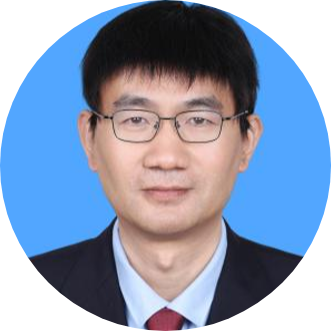
Prof. Xiao Hong
Northwestern Polytechnical University, China
Biography: Dr. Hong Xiao is a full professor at Northwestern Polytechnical University. Prof. Xiao is author and co-author of more than 100 peer-reviewed publications and 4 books on a wide range of digital intelligence topics for aircraft engines. His main research activities are dedicated to artificial intelligence (AI) and digital twins of aero-engines, alongside digital test. Professor Xiao has pioneered a core technology that integrates aero-engine physics into AI algorithms. This technology has been harnessed for digital test of aero-engines, achieving a digital test capability that augments physical testing. It has found successful applications in various sectors, including aero-engines and gas turbines. Between 2012 and 2015, Professor Xiao was employed by Gyeongsang National University (South Korea) as a research professor, specializing in numerical simulations within the aerospace domain. From 2016 to 2019, he served as a researcher in the Department of Pure Mathematics, engaging in mathematical theoretical research on AI algorithms.
Speech Title: Artificial Intelligence and Digital Twin in Aircraft Engines
Abstract: With the development of artificial intelligence (AI) technology, it has sparked keen interest among engineering and technical personnel across a wide range of industries. This lecture delves into the strategies, theories, and achievements of integrating AI technology with complex equipment expertise, using aero-engines and gas turbines as illustrative examples. The presentation primarily encompasses the following three aspects: (1) Can the currently available AI algorithms be directly applied to the realm of complex equipment? (2) If AI algorithms cannot be directly utilized in the field of complex equipment, how can they be adapted? Furthermore, how can physical knowledge be incorporated into AI algorithm design? (3) Taking aero-engines and gas turbines as case studies, we will explore how AI technology can be integrated into digital twins, and how digital twins and digital testing in areas such as testing, manufacturing, and operation and maintenance can drastically reduce testing costs, expedite the development process.
Keynote Speaker Ⅳ
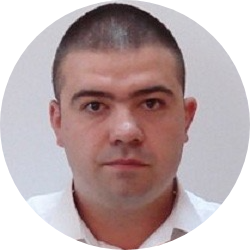
Dr. Florin Mingireanu
European Space Agency, Romania
Biography: Florin Mingireanu, a research scientist and a propulsion systems expert of Launchers Programme Delegate and European Space Agency. He is holding a Bachelor of Science in Physics and Astronomy from Louisiana State University (LSU) and a PhD from Military Technical Academy, Bucharest, Romania. He has been a delegate at the European Space Agency (ESA) - Programme Board Launchers. He undertook research and development work in the area of interior ballistics and flight dynamics with various state and private entities. In the last 18 years, he participated inseveral national and international projects with both public/state and private funding.
Speech Title: Deep-Throttle Control in a 6.5 kN-Class Hypergolic Engine and Its Role in Advancing 10 kN-Class Propulsion
Abstract: This keynote presents the development, testing, and flight-oriented maturation of a 6.5 kN- class pressure-fed hypergolic liquid rocket engine, purpose-built for high-reliability throttleable operation between 30% and 100% of nominal thrust (nominal throttle-ability mode), and down to 10% of nominal thrust (in extended throttle-ability mode). This deep- throttle capability addresses critical needs in modern spaceflight, where precise control over impulse delivery directly impacts mission success in scenarios such as powered descent, docking, and fine orbital adjustments. While the development of the engine family initially targeted in-atmosphere missions - such as vertical takeoff and landing test-beds - it was further designed with responsive maneuvering and precision impulse control in mind, making it suitable for flight applications including planetary landing, upper-stage re-ignition, and in-space orbital maneuvering. Key architectural decisions emphasized robust ignition reliability, mixture ratio control flexibility, and thermal resilience across a broad operating range. The propulsion system was developed and hot-fire tested using a fully instrumented, in- house static firing facility equipped for real-time measurement of thrust, pressure, oxidizer- to-fuel (O/F) consumption rates, and temperatures. This test-bed enabled rapid iteration and closed-loop validation between numerical models and hardware performance, significantly accelerating the design cycle. Extensive test campaigns characterized multiple performance metrics, including combustion stability at low throttle settings, transient throttle response, chamber thermal equilibrium, and overall control system fidelity. The engine demonstrated consistent and stable operation across throttle transitions, validating its suitability for missions with variable thrust demands and confirming its potential for integration into dynamic spacecraft platforms. Crucially, the 6.5 kN engine serves as the architectural and operational foundation for a 10 kN-class propulsion system currently under development. This larger-thrust variant inherits validated design principles—such as injector geometry scaling, regenerative cooling strategies, and modular hardware architecture—while leveraging the same test infrastructure and instrumentation to minimize development risk. The transition from 6.5 to 10 kN is enabling valuable insight into system scalability, component limits, and the integration of advanced control schemes for autonomous operation. This talk will present detailed test campaign results, examine how mission-driven requirements shaped design trade-offs and validation strategies, and provide perspective on how this scalable propulsion framework is enabling a next-generation class of flight- ready hypergolic engines. The lessons learned from this program offer guidance for both commercial and exploratory applications, where throttle-ability, responsiveness, and simplicity are essential for performance and reliability.
Keynote Speaker Ⅴ
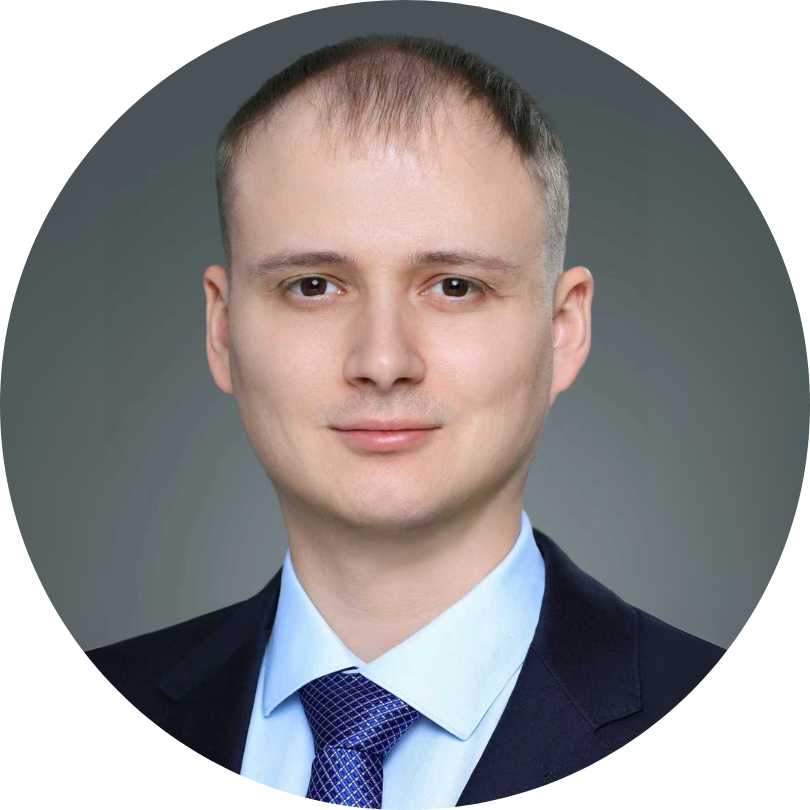
Assoc. Prof. Alexander Molokanov
Harbin Institute of Technology, China
Biography: Associate Professor Alexander Molokanov joined the Harbin Institute of Technology, China, in September 2023, contributing extensive expertise in the development and analysis of aircraft fuels and engine working processes for aerospace propulsion. Prior to this, he spent 12 years at the Central Institute of Aviation Motors in Moscow, Russia, progressing from Junior Researcher to Senior Researcher. He also held part-time roles as a Junior Researcher at the Federal Research Center of Problems of Chemical Physics and Medicinal Chemistry of the Russian Academy of Sciences in Chernogolovka and as a Senior Lecturer at the Moscow Power Engineering Institute. Dr. Molokanov earned his PhD in Chemical Technology of Fuels and High-Energy Substances from Gubkin Russian State University of Oil and Gas in 2013.
He is a full member and deputy academician-secretary of the Aerospace section of the Russian Academy of Engineering, a member of the IEEE, and a member of the Chinese Chemical Society (CCS). Additionally, he serves on state certification commissions at the Moscow Aviation Institute (MAI) and acts as an expert juror for the BRICS Industrial Innovation Contest. His research focuses on modeling oxidation, combustion, and thermo-destruction processes of aircraft fuels, with a particular emphasis on advancing alternative and sustainable fuel solutions for aircraft propulsion. Dr. Alexander Molokanov has authored over 20 peer-reviewed scientific papers, holds 5 patents, and has published one textbook and two monographs.
Speech Title: Advancing Alternative Fuels: Innovations, Challenges, and Experimental Insights
Abstract: This study presents a comprehensive methodology for designing and optimizing hydrocarbon blends tailored for energy systems and propulsion units. The development process encompasses defining technical specifications, selecting suitable components, and conducting theoretical and experimental evaluations of critical fuel properties. Key thermophysical and thermochemical characteristics, including viscosity, density, combustion efficiency, and emission profiles, are analyzed through advanced mathematical modeling and optimization techniques. Experimental studies on thermal degradation under high-temperature conditions provide insights into blend durability. A model for octane thermolysis developed using quantum chemistry methods CBS and DLPNO-CCSD(T)/aug-cc-pVTZ was used for the calculations. Additionally, machine learning algorithms are employed to predict thermophysical properties with high accuracy.
Keynote Speaker Ⅵ
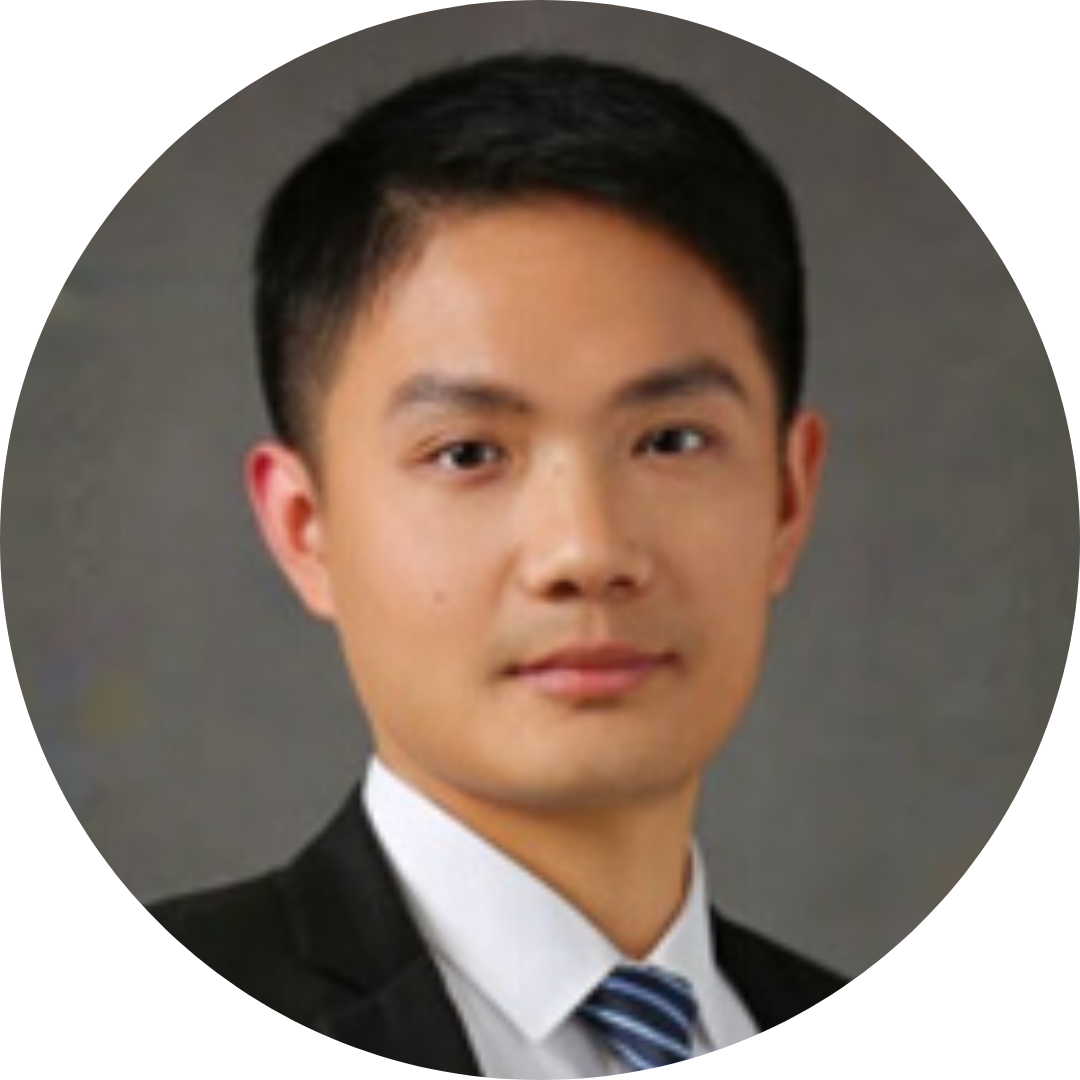
Prof. Yi Min
Nanjing University of Aeronautics and Astronautics, China
Biography: Min Yi is a full professor in State Key Laboratory of Mechanics and Control for Aerospace Structures and Nanjing University of Aeronautics and Astronautics (NUAA), China. He obtained his bachelor degree in 2010 and PhD degree in 2015 in engineering mechanics from Beihang University, China. From 2013 to 2019, he was a visiting PhD student and subsequently conducted postdoctoral research at Technical University of Darmstadt, Germany. He is funded by the national young talent program, Jiangsu Province outstanding youth program, Jiangsu Province double-innovation talent program, etc. Since 2020, he is an Elsevier highly cited scholar in China in the field of mechanics and aerospace engineering, as well as the Stanford/Elsevier top 2% scientist (career-long and single-year achievement). His research is mechanics of advanced materials and structures, focusing on aerospace engineering, additive manufacturing, surface strengthening, light-weight and high-temperature alloys, mechanics with AI, reusable spacecraft, life design and assessment of aerospace structures, micro-nano/function materials, etc. He has published over 100 papers in journals such as JMPS, IJP, Acta Mater, AFM, IJF, EFM, MSE Report, IJMS, Nat Commun, npj Comput Mater, Small, Addit Manuf, etc. He has been invited to serve as a reviewer for more than ten high-level international journals including Nature, Nat Commun, Phys Rev Lett, Adv Mater, IJP, Acta Mater, etc. He serves as a young editorial board member for journals such as Acta Mechanica Sinica, Chinese Journal of Aeronautics, Journal of Rocket Propulsion, Propulsion and Power Research, International Journal of Extreme Manufacturing, etc.
Speech Title: Fatigue Life Evaluation for Structures of Reusable Liquid Rocket Engine
Abstract: The reuse of liquid rocket engines is a critical technology that must be realized to achieve reusable space launch vehicles. The traditional design approach for single-use liquid rocket engines, which relies on high safety factors for static strength to cover fatigue failure, is insufficient to ensure structural safety under reusable cases. During the dozens or even hundreds of reuse cycles of liquid rocket engines, the effects of coupled vibrations, creep, and low-cycle and high-cycle fatigue under thermomechanical loads become increasingly significant, making structural fatigue life evaluation a key issue. The speaker will share his recent research progress in structural fatigue life evaluation for reusable liquid rocket engines, specifically involving theoretical explorations integrating fatigue and fracture, thermomechanical fatigue life of liquid rocket engine thrust chambers, fatigue life of liquid rocket engine turbopump blades, and fatigue life of additively manufactured liquid rocket engine structures. Future research directions for structural life design of reusable liquid rocket engines will also be discussed.
Keynote Speaker Ⅶ
 Dr. Andrey Aksenov
TESIS Engineering Company, Russia
Biography: Graduated from the Moscow Institute of Physics and Technology (MIPT). Defended his PhD thesis on the hydrodynamic aspects of biotechnological devices in microgravity. Worked at the Institute of Computer-Aided Design of the Russian Academy of Sciences. Currently is the Chief Technical Officier of TESIS Ltd. Also is a senior researcher at the Joint Institute of High Temperatures of the Russian Academy of Sciences.. Head of the FlowVision CAE system development team.
Speech Title: Using FlowVision Multiphysics CAE system for simulation of aerospace industrial tasks
Abstract: FlowVision software package is developed for numerical simulation in the design of various technical objects in various industries, including rocket, aircraft, and automotive engineering, as well as the nuclear industry. Numerical simulation problems in these areas require a comprehensive, interdisciplinary approach, taking into account and interacting with various physical processes. Currently, FlowVision has mathematical models of heat and mass transfer and fluid motion (Navier-Stokes equations), implemented for three-dimensional, incompressible and compressible flows, Newtonian and non-Newtonian fluids. FlowVision also has the ability to numerically solve unsteady Maxwell equations for modeling electric current and electromagnetic fields in a continuous medium, modeling the motion of gas discharges, a radiation heat transfer model, a model for the motion of a dispersed phase (bubbles, droplets, grains), calculation of aeroacoustic sources, and the propagation of acoustic waves in the medium. FlowVision has tools for modeling complex flows - among them, sliding surfaces for calculating rotating machines (turbines, compressors, pumps), modeling of immiscible liquids with contact surfaces, the motion of bodies relative to a stationary region.
FlowVision simulates turbulence using two different approaches. The first approach is based on the averaged Reynolds equations (RANS approach). The second approach is a vortex-resolving method using implicit large eddy simulation (ILES) or subgrid turbulence modeling with the Smagorinsky model. To improve the accuracy of calculations by vortex-resolving methods, FlowVision provides the inclusion of a skew scheme for approximating convective flows.
The presentation demonstrates using FlowVision CAE system for solving various aerospace industry problems, such as simulating a spacecraft emergency landing on water, spacecraft launch and landing tasks, and parachute compartment cover ejection.