Speakers 2026
Keynote Speaker Ⅰ
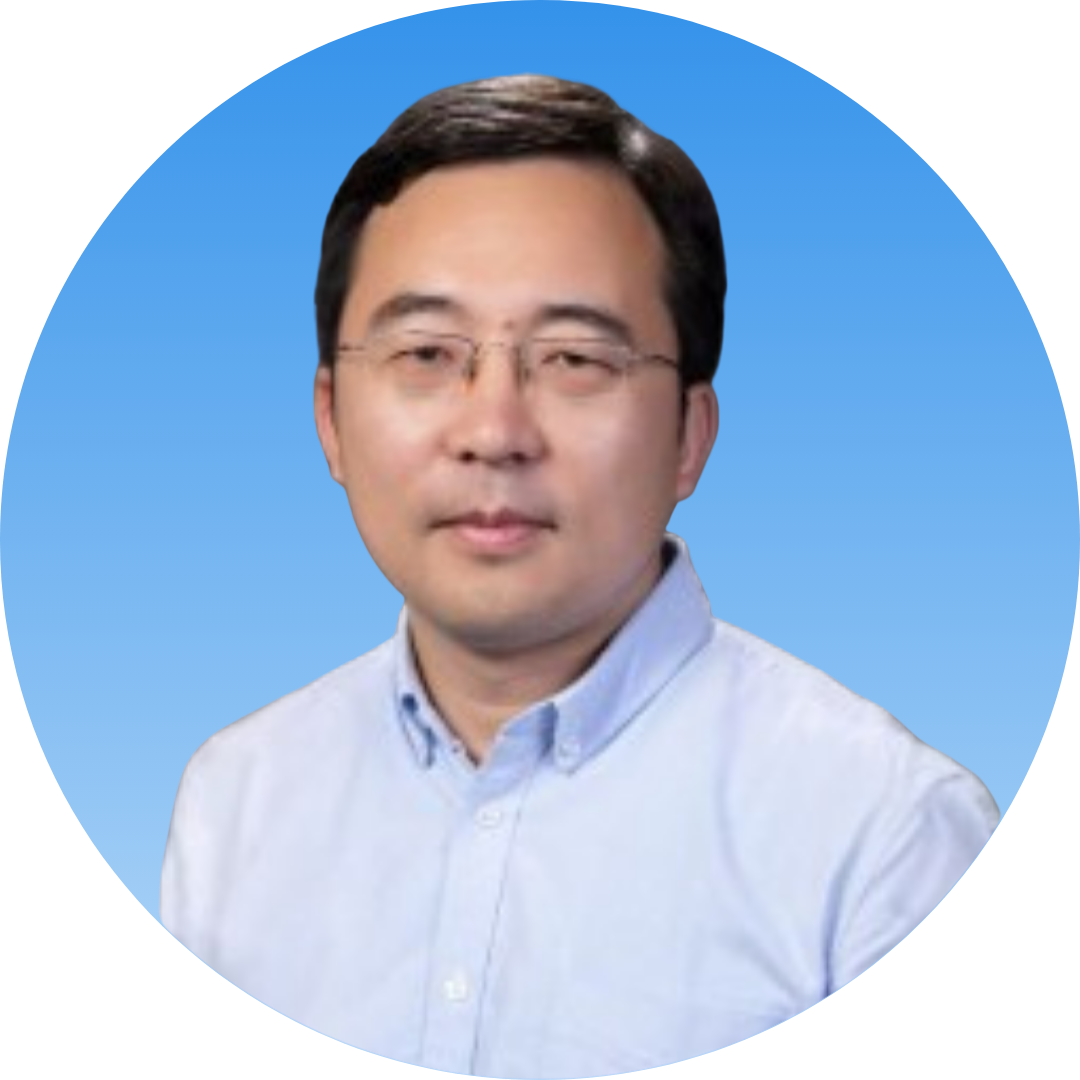
Prof. Liu Cunliang
Northwestern Polytechnical University, China
Biography: Liu Cunliang, Professor, Humboldt Research Fellow. He currently serves as Dean of the School of Power and Energy at Northwestern Polytechnical University, Chairman of the Shaanxi Society of Engineering Thermophysics, Head of the Shaanxi Provincial Science and Technology Innovation Team, and Director of the Shaanxi Provincial Key Laboratory of Thermal Science for Aero-Propulsion Systems.
His research primarily focuses on advanced cooling technologies for aero-engines. He has led multiple major national research projects, published over 100 academic papers, and been granted more than 80 invention patents. Professor Liu has received numerous awards and honors, including the Special Prize for Higher Education Teaching Achievement in Shaanxi Province, the First Prize for Technical Invention from the Chinese Society of Aeronautics and Astronautics, the Second Prize for Natural Science in Shaanxi Province, the Wu Zhonghua Outstanding Young Scholar Award, and the Shaanxi Provincial Distinguished Young Scholar Fund. He also serves on the Heat Transfer Committee of the Gas Turbine Division of the American Society of Mechanical Engineers (ASME) and as Associate Editor of the journal Aeroengine.
Speech Title: TBD
Abstract: TBD
Keynote Speaker Ⅱ

Prof. Wang Dingxi
Northwestern Polytechnical University, China
Biography:TBD
Speech Title: TBD
Abstract: TBD
Keynote Speaker Ⅲ
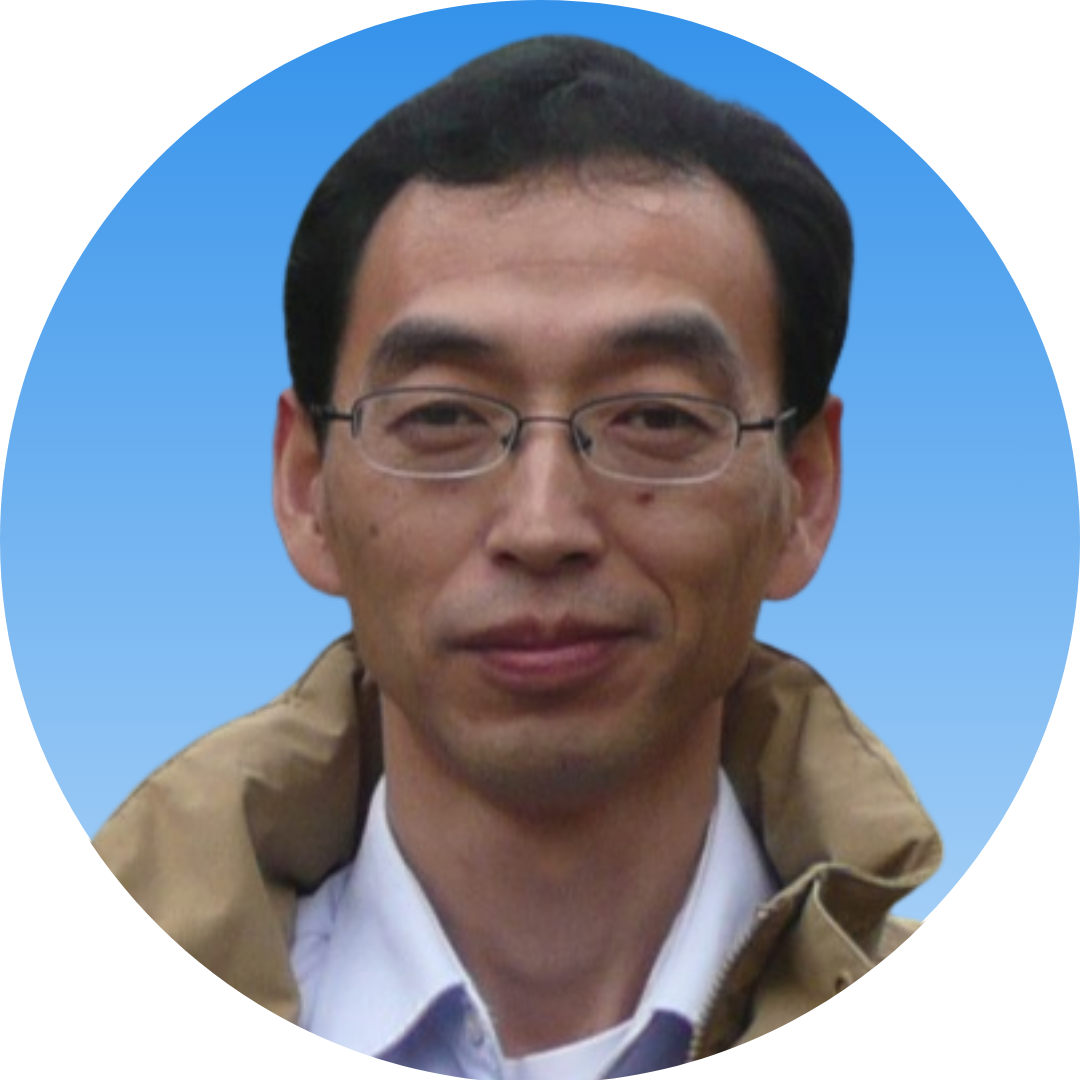
Prof. Tang Haibin
Beihang University, China
Biography:TBD
Speech Title: TBD
Abstract: TBD
Keynote Speaker Ⅳ

Prof. Oskar Josef Haidn
Technical University of Munich, Germany
Biography:TBD
Speech Title: Direct Numerical Simulation of Methane Combustion for Rocket Engine
Abstract: TBD
Keynote Speaker Ⅴ

Dr. Matthias Meinke
RWTH Aachen University, Germany
Biography: Dr. Matthias Meinke earned his Diploma in Aerospace Engineering from RWTH Aachen University, Germany. Following this, he joined the Institute of Aerodynamics at RWTH Aachen University as a research assistant under the guidance of Prof. E. Krause. In 1993, he completed his Ph.D., presenting a dissertation focused on the Numerical Solution of the Navier-Stokes Equations for Unsteady Flows using the Multigrid Method.
Afterward, Dr. Meinke took on the role of head of the CFD department at the Institute of Aerodynamics and began teaching Computational Fluid Dynamics in both Bachelor’s and Master’s programs at RWTH Aachen University. He has extensive experience in various fields including aerodynamics, turbulence, aeroacoustics, turbomachinery, multiphase flows, and the development of advanced numerical methods.
For many years, Dr. Meinke and his team have been developing a multiphysics software framework specifically designed for high-performance computing systems. This framework is utilized in numerous national and European projects. To date, he has published over 190 peer-reviewed journal articles.
Speech Title: TBD
Abstract: TBD
Keynote Speaker Ⅵ
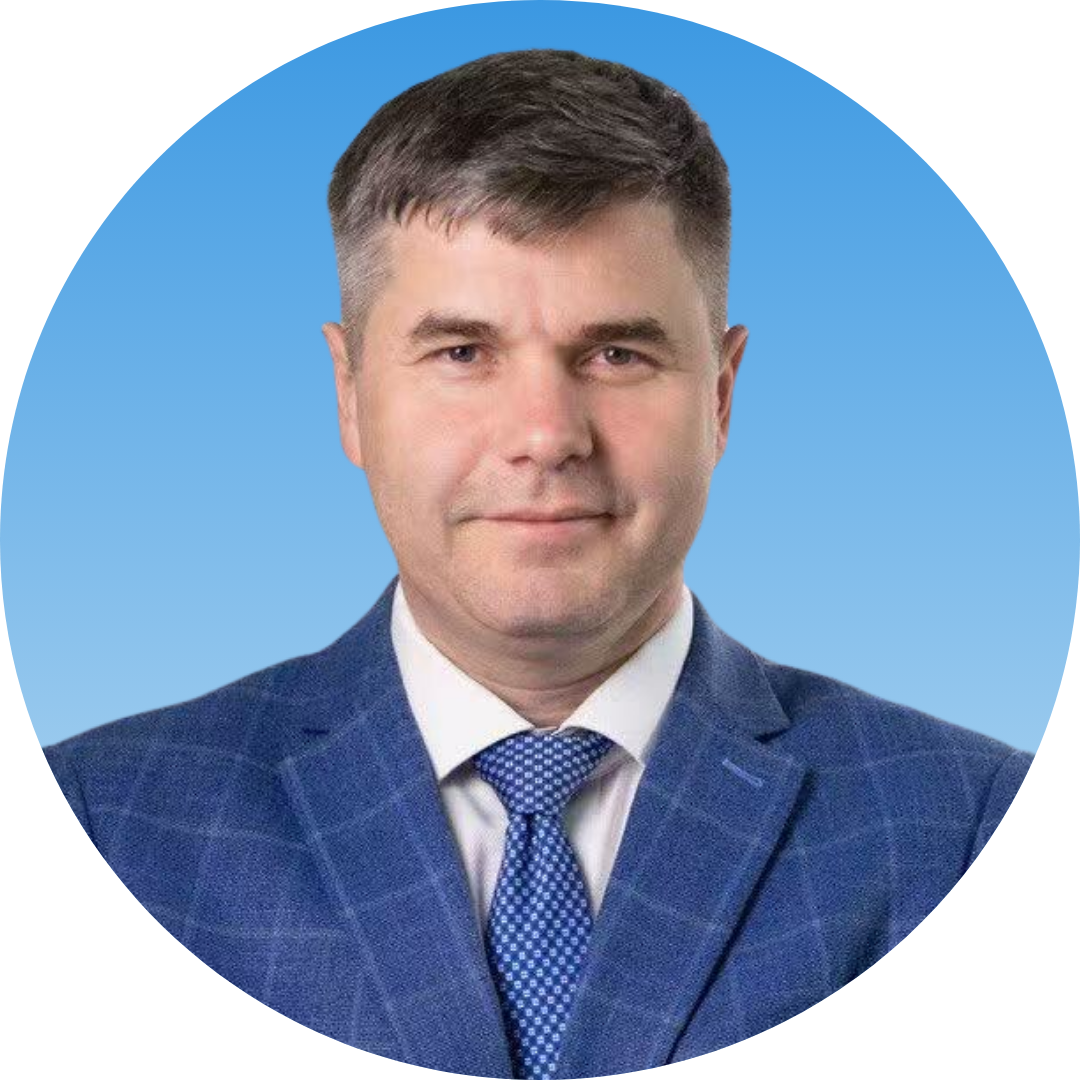
Prof. Vitaly Gennadievich Smelov
Samara University, Russia
Biography: Vitaly Gennadievich Smelov is a Professor in the Department of Engines Manufacturing Technologies, Director of Institute of Engine and Power Plant Engineering, vice rector of Samara National Research University named after Academician S.P. Korolev (Samara University)
Position: Director, Institute of Engine and Power Plant Engineering (IEPPE)
Academic Degrees and Titles: Candidate of Technical Sciences (PhD equivalent) in Mechanical/Engine Engineering
Academic title: Professor
Position: responsible for R&D, education and industrial collaboration in propulsion and power plant engineering
Speech Title: The implementation of additive manufacturing in the production of gas turbine units and engines
Abstract: The framework integrates digital design, numerical simulation, additive manufacturing, post-processing, quality assurance, and experimental validation into a unified engineering workflow for the development and production of critical gas turbine components. The approach is focused on the hot-section parts of gas turbine engines, including combustion chambers, burner devices, nozzle guide vane segments, turbine components, heat exchangers, and structurally complex casings.
The proposed implementation model combines selective laser melting (SLM) for high-precision complex components and direct laser deposition (DLD) for large-scale parts, repair operations, and functional restoration. Additive manufacturing is embedded at the design stage through topology optimization, design-for-additive-manufacturing principles, process simulation, and the development of digital twins. This enables the creation of lightweight and functionally integrated components with internal cooling channels, reduced part counts, improved heat-transfer surfaces, and optimized aerodynamic and thermal characteristics.
The Samara University approach is based on an end-to-end digital production chain: requirements definition, parametric CAD modelling, thermodynamic and gas-dynamic calculations, strength analysis, manufacturing-process planning, powder-material qualification, additive fabrication, heat treatment, machining, non-destructive testing, metrological control, and bench testing. Particular attention is given to domestic metal powders, nickel-based heat-resistant alloys, process parameter optimization, residual-stress reduction, dimensional accuracy, surface quality, and repeatability of mechanical properties.
The technology platform supports the transition from laboratory development to industrial production in cooperation with engine manufacturers. It can be applied to the production of industrial gas turbine units, small gas turbine engines, auxiliary power units, distributed-energy systems, and prospective aircraft propulsion systems.
Keynote Speaker Ⅶ

Prof. Daniel Nélias
INSA Lyon, France
Biography: TBD
Speech Title: Modelling of multiple coupled normal and tangential contacts, application to the simulation of blade/disk attachments
Abstract: A blade root, due to its specific geometry, involves multiple simultaneous contacts between disk teeth and blade root teeth. This configuration requires the simultaneous resolution of multiple contact problems between two bodies, one for each contact zone. The proposed approach separates the global structural deformation of the assembly from the local contact deformation at each contact zone.
An initial equilibrium is established between the local variables used to control the various contacts calculated upstream and the contact pressures, shear and slip vectors obtained using a semi-analytical method. The resulting local contact reactions are then balanced against the applied external loads in the global reference frame using an iterative numerical method until global equilibrium is reached. This numerical method enables the simultaneous solution of both normal and tangential multiple contact problems.
Several loading configurations are performed to assess the influence of different parameters such as the skew angle, the contact inclination angle, and friction coefficient on both the pressure field and the load distribution across different contact areas. The ability to perform rapid sensitivity studies is one of the key benefits of the proposed design tool.